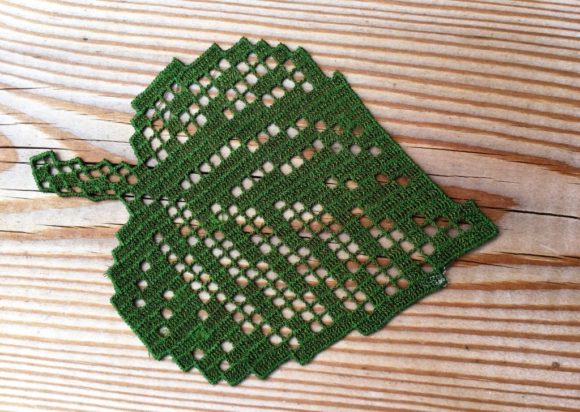
Freestanding Lace Leaf
A Delicate Elegance for Seasonal Decor
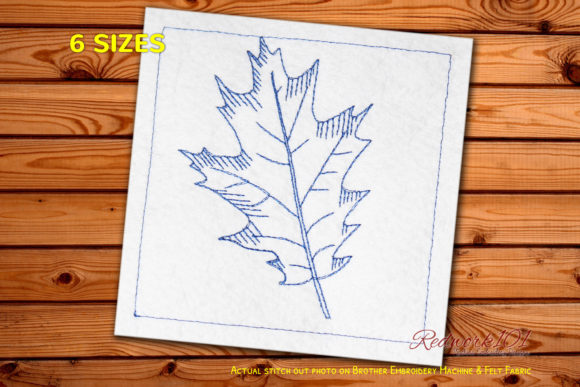
Freestanding Lace Leaf makes a strong first impression with its intricate, filet crochet-inspired design. It feels elegant and refined, yet approachable enough to appeal to a wide range of craft fair customers. The leaf pattern is soft and delicate, evoking a sense of seasonal charm that works well in fall or winter markets. Its subtle complexity suggests a premium handmade product, which can elevate the perceived value of any item it adorns.
Where to Place Freestanding Lace Leaf on Your Craft Fair Table
Freestanding Lace Leaf shines on products that allow it to stand out as a focal point. Tote bags, aprons, and tea towels are ideal canvases where the design can be showcased without overwhelming the overall look. For instance, an embroidered tote bag with Freestanding Lace Leaf at the center becomes a statement piece that draws attention from across the booth.
It also works beautifully on smaller items like embroidered patches, fabric pouches, and pillow covers. These products are perfect for creating a curated display that highlights the versatility of the design. A small patch featuring Freestanding Lace Leaf could be used as a gift item, while a larger pillow cover offers a more substantial selling option.
Visual Appeal and Customer Attention
The visual appeal of Freestanding Lace Leaf is undeniable. Its lace-like texture and leaf shape create a decorative element that feels both modern and timeless. When displayed on a white or light-colored fabric, the design stands out clearly, making it easy for customers to notice at a glance.
However, it's important to consider how the design performs on darker fabrics. While it still looks good, the contrast may be less pronounced, which could affect visibility. This means you should offer multiple fabric options or include clear mockups in your Etsy listings to guide buyers.
Practical Selling and Production Points
Freestanding Lace Leaf is a versatile design that can work as both a small accent and a large focal point. Its scalability makes it suitable for a variety of products, from market bags to embroidered caps. However, it’s crucial to test the design on different fabric textures, such as thick cotton or textured towels, to ensure clarity and stitch density remain consistent.
When photographing for online listings, pay attention to lighting and background. A clean, bright setting will help highlight the detail of the design. Additionally, creating printable mockups allows you to visualize how the design will appear on various products before committing to production.
For batch production, the design’s repeatability is a plus. As long as the embroidery file is properly formatted and includes all necessary design assets, you can confidently produce multiple units with minimal variation. Always confirm the hoop size and thread colors to maintain consistency across your finished products.
Careful-Use Notes for Embroidery Designers
While Freestanding Lace Leaf is visually stunning, it does have some practical considerations. Dense stitch areas can be challenging to manage, especially on thicker fabrics. Using the right stabilizer is essential to prevent puckering and ensure smooth stitching.
Tiny details and small lettering may not show up clearly at smaller sizes, so it’s best to test the design on scrap fabric before proceeding with full production. Curved surfaces, like those found on caps, can also affect stitch density, requiring careful placement and adjustment.
Boosting Visual Appeal and Brand Consistency
Freestanding Lace Leaf has the potential to enhance the visual appeal of your brand by offering a cohesive, elegant design that can be applied consistently across multiple products. Whether you’re creating a line of seasonal decor or a collection of handmade gifts, this design adds a touch of sophistication that appeals to both casual and discerning buyers.
By using Freestanding Lace Leaf on a variety of products—such as tote bags, apron embroidery, and tea towel designs—you can build a strong brand identity that resonates with your target audience. This design is particularly well-suited for small shop products and Etsy sellers looking to expand their offerings with a unique, high-quality embroidery file.
Final Thoughts for Embroidery Designers
As an experienced embroidery designer, I recommend testing Freestanding Lace Leaf thoroughly before launching it as a commercial embroidery product. Use scrap fabric to assess stitch density, check thread contrast, and confirm that the design holds up under different fabric types and conditions.
Remember to review all design assets, including the embroidery file and any additional resources provided. If the design lacks clear instructions on hoop size or commercial licensing, make sure to verify these details before selling finished products.
With the right preparation and presentation, Freestanding Lace Leaf can become a standout feature in your craft fair booth and a valuable addition to your handmade product lineup. It’s a design that balances elegance with practicality, making it a great choice for both seasoned and new crafters alike.