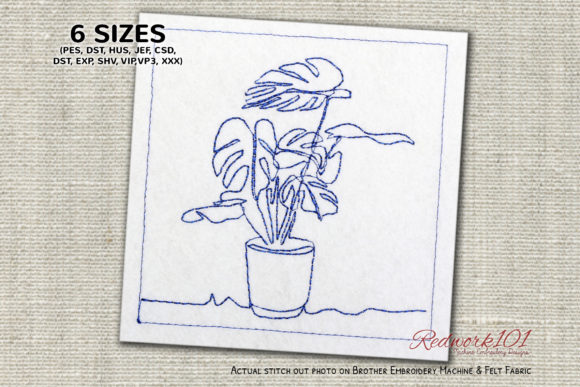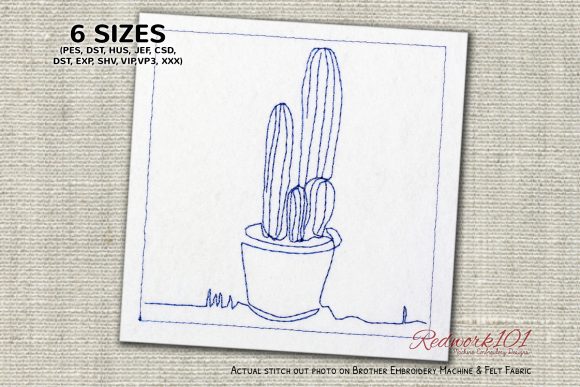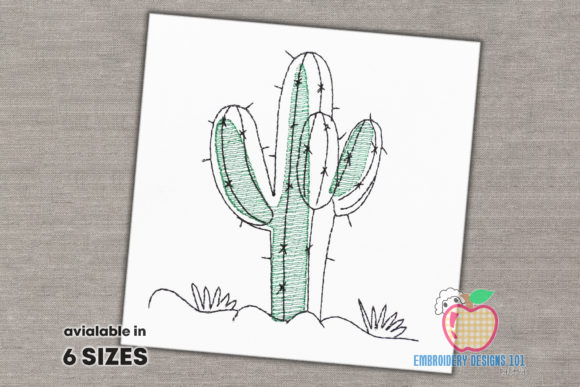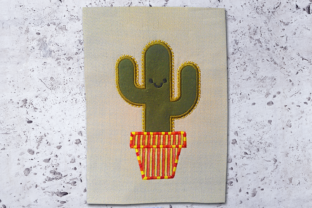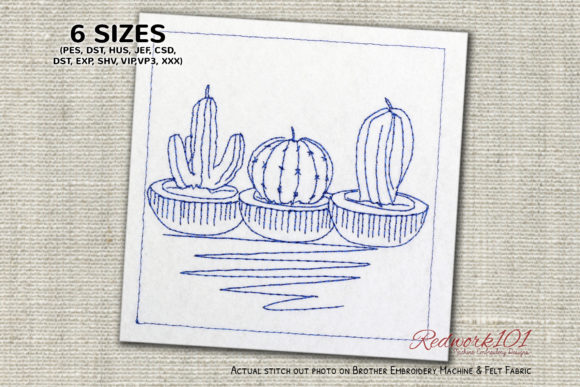
Three Types of Cactus Plant Redwork
A Delicate Touch for Personalized Embroidery
As an experienced embroidery designer, I recently tested Three Types of Cactus Plant Redwork for a personalized gift shop. The design immediately caught my eye with its soft, earthy charm and subtle elegance. It feels like a perfect fit for those who appreciate the quiet beauty of nature in their handmade creations.
The First Impression: Mood and Detail
The first thing that struck me about Three Types of Cactus Plant Redwork was its emotional appeal. The cactus plants are rendered with careful attention to detail, capturing the natural texture and form of each plant. The use of redwork style—simple, clean lines and minimal shading—creates a sense of warmth and nostalgia that’s hard to ignore.
This design is ideal for those who prefer a handmade product that feels personal and meaningful. Whether it's for a baby blanket or a wedding keepsake, the design carries a gentle, timeless quality that resonates with many customers. It's not overly playful or modern, but rather classic and comforting, making it a versatile choice for various gift categories.
Where This Design Shines: Gift Ideas and Uses
Three Types of Cactus Plant Redwork is a great option for a wide range of personalized gift products. It can be used on embroidered towels, pillow covers, blanket embroidery, and even custom tote bags. For baby items, it adds a touch of whimsy and nature to nursery decor, making it a favorite among baby embroidery creators.
Wedding gift designers will find this design particularly appealing for wedding keepsakes or handmade products that carry a lasting sentimental value. It also works well as a small shop product for Etsy sellers and craft fair vendors looking to offer unique, handcrafted items.
Its simplicity makes it easy to adapt to different fabric types and sizes, allowing for creative experimentation without overwhelming the final product. Whether you're creating a custom embroidery for a client or designing a new line of digital embroidery files, this design offers flexibility and charm.
Considerations for Use: Fabric and Product Compatibility
While Three Types of Cactus Plant Redwork is beautiful, there are some considerations to keep in mind when using it on different materials. The delicate details and small lettering make it best suited for fabrics with a smooth texture, such as cotton or linen. It may not perform as well on thick towels or stretchy baby clothes due to the potential for distortion.
Additionally, the design should be used carefully on dark fabrics, as the thread colors may not show up clearly. To ensure the best results, always test the design on a scrap piece of fabric before proceeding. Checking a printable mockup can also help you visualize how the design will look on your chosen material.
If you're planning to use this design for commercial purposes, be sure to confirm the commercial embroidery license before selling finished products. This ensures that your business remains compliant and protects both you and your customers.
Enhancing Giftability and Customer Trust
One of the most important aspects of any personalized gift is the perceived value and emotional connection it creates. Three Types of Cactus Plant Redwork excels in this area by offering a handmade product that feels both special and approachable.
When used on items like pillow covers or embroidered towels, the design adds a layer of warmth and personality that customers will appreciate. The attention to detail and thoughtful design make it easier to build trust with your audience, especially when selling through platforms like Etsy or as a small shop product.
Moreover, the design's versatility allows for creative product photography and storytelling, which are essential for engaging buyers. A well-lit, high-quality image of the finished product can significantly impact customer engagement and sales.
Practical Tips for Embroidery Success
To achieve the best results with Three Types of Cactus Plant Redwork, consider the following practical tips:
- Test the design on a scrap fabric to ensure compatibility with your chosen material.
- Check thread color contrast to ensure visibility on your fabric.
- Confirm hoop size and stitch density to maintain the design's integrity.
- Use proper stabilizer to prevent puckering or distortion.
- Compare light and dark fabric mockups to see how the design looks in different settings.
- Always check small details after stitching to ensure accuracy.
- Confirm commercial licensing before selling finished products.
By following these steps, you'll be able to deliver a high-quality, handmade product that meets the expectations of your customers and enhances your brand reputation.