Water Lily
A Delicate Bloom for Thoughtful Embroidery Projects
As a designer who’s stitched through countless embroidery projects, I’ve learned that the right design can transform a simple fabric into something special. Water Lily is one such design that carries a quiet elegance, making it ideal for those who appreciate subtle beauty in their work. Before diving into how this design might fit into real-world applications, let me walk you through my first impressions and practical considerations.
The First Impression: A Mood of Serenity
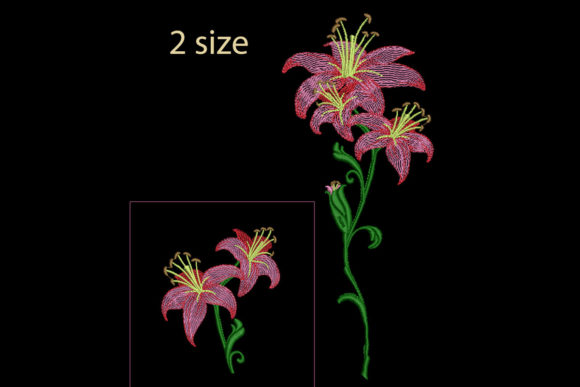
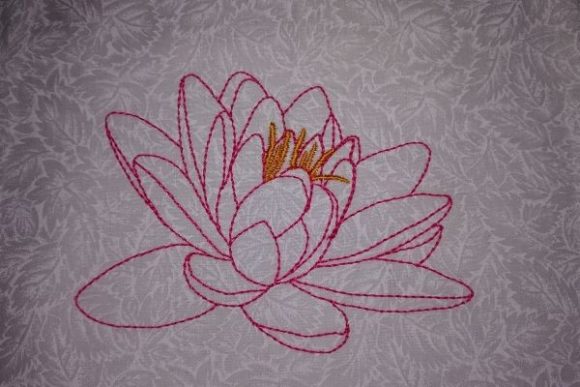
Water Lily immediately evokes a sense of calm and refinement. The flower is rendered with a soft, almost ethereal quality that suggests it belongs in a space where comfort and aesthetics intersect—like a bedroom or a cozy reading nook. Its delicate petals and subtle shading create a visual balance that feels both refined and approachable. This makes it a great choice for those looking to add a touch of nature without overwhelming the design.
The layout is clean and uncluttered, which is a relief for designers who want to maintain a sense of order in their work. It doesn’t demand too much attention, allowing the surrounding elements of a project to shine. Whether it’s a quilt block, a pillow cover, or a personalized gift, Water Lily has the potential to be a versatile addition to your creative toolkit.
Real-World Applications: Where Does Water Lily Fit?
When considering real-life use, I imagine Water Lily as a perfect fit for custom apparel, especially in soft, flowing fabrics like cotton or linen. It would look particularly charming on a tote bag or a baby item, where its gentle presence can add a touch of whimsy without being too bold. For a holiday gift, it could serve as a meaningful embroidered patch or a small apron featuring a floral motif.
It also has strong potential in commercial embroidery settings. Imagine a boutique selling handmade products—Water Lily could be a signature design for their brand, appearing on everything from kitchen towels to cap designs. Its subtlety ensures it remains elegant even when repeated across multiple items, helping to build brand recognition without overloading the eye.
For Etsy sellers or craft business owners, Water Lily offers an opportunity to create unique, personalized gifts. Think about a hand-stitched tea towel or a custom sweatshirt that features the design in a way that complements the wearer’s style. It’s the kind of design that can elevate a simple product into something memorable.
Considerations for Real-Life Use
While Water Lily is visually appealing, there are a few factors to consider before using it in a finished project. First, its delicate nature means it may not perform well on textured or stretchy fabrics. These materials can cause the design to distort or lose clarity, especially in areas with dense stitch patterns. If you're working with a fabric like denim or a thick knit, it's worth testing the design on a scrap first to ensure it holds up under different conditions.
Additionally, Water Lily’s intricate details require careful handling. Small areas like the center of the flower or the edges of the petals need precise stitching to maintain their intended appearance. This makes it less suitable for small hoop sizes or fast-paced production environments. If you’re planning to sell digital embroidery files, make sure the design works well at smaller scales and across different thread colors.
Another thing to keep in mind is the contrast between the design and the fabric background. While Water Lily looks stunning on light-colored fabrics, it may not stand out as effectively on dark surfaces. Testing the design in black and white mockups can help identify any issues with visibility or stitch density before committing to a final product.
Design Notes for Practical Use
If you're planning to use Water Lily in a real project, here are some practical tips to consider:
- Test on scrap fabric to see how it performs on different materials.
- Check thread color contrast to ensure the design remains visible and vibrant.
- Review stitch density to avoid over-stitching or under-stitching in key areas.
- Confirm hoop size to prevent distortion during the embroidery process.
- Inspect small details to ensure they remain clear and legible after stitching.
- Use proper stabilizer to support the fabric and prevent puckering.
- Compare light and dark backgrounds to assess visibility and overall impact.
- Ensure licensing rights if you plan to sell finished items or digital products.
These steps will help you maintain the integrity of Water Lily while ensuring it meets the standards of both personal and commercial projects.
Conclusion: A Design Worth Considering
Water Lily is more than just a pretty pattern—it’s a thoughtful addition to any embroidery project that values subtlety and grace. Whether you’re crafting a personalized gift, designing for a small shop, or creating digital assets for sale, this design offers versatility and charm. With the right preparation and attention to detail, it can become a standout element in your portfolio.